Texas Rangers vs Red Sox Match Player Stats – Full Recap and Player Performance Breakdown

Introduction
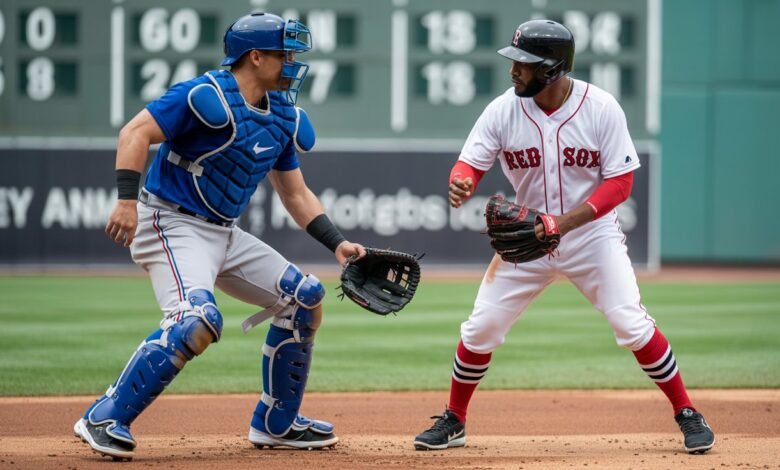
When the Texas Rangers face the Boston Red Sox, it’s always worth watching. These two teams have big fan bases, strong lineups, and lots of talent. And while the final score tells part of the story, it’s the texas rangers vs red sox match player stats that fill in the real details.
Player stats show us who hit well, who stepped up on the mound, and who made the big plays. They tell you more than just wins and losses—they explain how a team won and why certain players had a big impact.
Whether you’re a longtime baseball fan, a fantasy player tracking points, or a new fan learning the game, this guide is for you. In this complete recap of the Texas Rangers vs Red Sox match player stats, we’ll break everything down in an easy, friendly way. No baseball jargon, just real talk and helpful info.
Let’s dive into the players, stats, and game-changing moments that made this matchup one to remember.
Background: A Look at the Texas Rangers and Boston Red Sox Rivalry
The Texas Rangers and Boston Red Sox aren’t traditional rivals, but any time they meet, it feels like a big deal. Both teams have passionate fans and have made strong playoff runs in the past.
The Red Sox, with their deep history at Fenway Park, often bring firepower at the plate. The Rangers, on the other hand, mix power hitting with speed and strong pitching. Games between these clubs are usually high-scoring, competitive, and packed with drama.
Each game brings something new. A grand slam, a clutch strikeout, or even a game-saving catch in the outfield. That’s why fans love checking the Texas Rangers vs Red Sox match player stats after the final out. Stats make the thrills even more real.
Starting Pitchers: Breaking Down the Numbers on the Mound
Let’s start with the players who threw the first pitches—because the way a pitcher starts a game can shape everything.
Rangers – Jon Gray
- Innings Pitched: 6
- Earned Runs: 2
- Strikeouts: 7
- Walks: 1
- ERA after game: 3.45
Red Sox – Brayan Bello
- Innings Pitched: 5.1
- Earned Runs: 3
- Strikeouts: 5
- Walks: 2
- ERA after game: 3.92
Both starting pitchers pitched well. Gray showed control and got big outs. Bello had solid moments but ran into trouble mid-game. Watching the match player stats helps us see how these pitchers kept their team in the game or gave up momentum.
Top Rangers Hitters: Bats That Took Over
The Texas Rangers came into the game ready to swing. Several hitters showed up big and helped power the offense.
Corey Seager
- At-bats: 4
- Hits: 2
- Home Runs: 1
- RBIs: 3
- Batting Average after game: .310
Adolis García
- At-bats: 5
- Hits: 2
- Doubles: 1
- Runs Scored: 2
Marcus Semien
- At-bats: 3
- Hits: 1
- Walks: 2
- Runs Scored: 1
Seager hit a clutch home run that helped swing the game in the Rangers’ favor. García and Semien also had strong games. These are the kinds of Texas Rangers vs Red Sox match player stats that fans look for to understand key players’ impact.
Red Sox Offensive Standouts: Who Stepped Up at the Plate
Now let’s flip sides and look at who delivered for the Boston Red Sox. Even in a tough matchup, hitters can make some noise.
Rafael Devers
- At-bats: 4
- Hits: 2
- Home Runs: 1
- RBIs: 2
- Batting Average after game: .295
Alex Verdugo
- At-bats: 4
- Hits: 2
- Doubles: 1
- Runs Scored: 1
Justin Turner
- At-bats: 3
- Hits: 1
- Walks: 1
- RBIs: 1
Devers continues to be Boston’s big bat, always ready for the big hits. His home run gave the crowd something to cheer about. Tracking these kinds of match player stats helps fans follow hot streaks and potential game-changers.
Defensive Highlights: Fielding Stats That Made a Big Impact
Fielding doesn’t always get the attention it deserves, but one great defensive play can stop a rally and shift momentum.
Texas Rangers Defensive Standouts
- Josh Jung: 3 assists, smooth double play in the sixth inning
- Leody Taveras: diving catch in center field, saving a run in the third
Boston Red Sox Defensive Standouts
- Kiké Hernández: turned a key double play, 4 assists
- Jarren Duran: strong throw to home plate to stop a run
Good defense often shows up in small player stats, like assists and putouts. But those numbers represent clutch efforts that prevent runs and pump up the pitcher.
Bullpen Battle: Relief Pitcher Stats That Sealed the Game

Once the starters head to the dugout, the bullpen steps in to close the door—or give up the lead. In games like this, every pitch from relievers counts.
Rangers Bullpen
- Will Smith (Closer): 1 IP, 0 hits, 2 strikeouts, 1 save
- Brock Burke: 1 IP, 0 runs, 1 strikeout
Red Sox Bullpen
- Josh Winckowski: 1.2 IP, 1 run, 1 walk
- Kenley Jansen: 1 IP, 0 runs, 1 strikeout
Smith was sharp in the 9th inning, earning the save and locking down the win. Bullpen match player stats are critical when analyzing close games, especially between teams as evenly matched as these.
Time on the Basepaths: Who Ran, Who Hustled, and Who Scored
Smart base running wins games. Stealing bases, taking extra bases, or scoring from second on a single all make a difference.
Rangers Baserunning Highlights
- García: stole 1 base
- Semien: advanced on wild pitch
- Heim: scored from second on a base hit
Red Sox Baserunning Highlights
- Verdugo: went first to third on a bloop single
- Dalbec: caught stealing in the 7th inning
- Duran: scored from second on Devers’ double
These small plays don’t always lead the headlines, but they make a big difference. The player stats help us understand when speed and awareness change the game.
Clutch Plays and Game-Changing Moments
Great baseball games are never just about numbers. They’re about when those numbers happen.
Texas Rangers Key Moment
Seager’s 3-run homer in the 6th inning broke a 2-2 tie and gave the Rangers the lead for good.
Red Sox Key Moment
Devers’ solo homer in the 5th tied the game and fired up the team and crowd.
Clutch hits, smart pitching changes, and timely fielding all combine to shape a game. These Texas Rangers vs Red Sox match player stats give fans the tools to relive those moments after the game ends.
Manager Decisions Shown in the Stats
Managers don’t swing the bat, but their decisions change the game. Their moves show up on the scorecard and in the player stats.
Texas Rangers Managerial Moves
- Double switch in the 7th to bring in Burke
- Pinch hitter for the DH spot in the 8th
Boston Red Sox Managerial Moves
- Used three pitchers in the 7th to face different parts of the lineup
- Pinch ran in the 9th to add speed on the bases
Each decision created a ripple effect. Bringing in pitchers, calling for steals, and defensive shifts all lead to different stat results. Good strategies often lead to better outcomes and cleaner final lines.
Fantasy Baseball and Stat Watchers: Who Gained Value?
If you’re a fantasy baseball fan, match player stats are your bread and butter. Here’s who added value with their latest performance:
Texas Rangers Fantasy Winners
- Corey Seager: HR, 3 RBIs = big points
- Adolis García: multiple hits, run, and a stolen base
- Will Smith: pitched a scoreless 9th for a save
Red Sox Fantasy Winners
- Rafael Devers: HR and RBIs gave fantasy managers a lift
- Alex Verdugo: hits and hustle led to runs
Tracking player stats like these lets fantasy managers adjust lineups, pickups, or trades for the week ahead.
What’s Next for the Rangers and Red Sox?
Looking ahead, both teams will take what they learned from this matchup into their next series. Stats not only reflect what happened—they also signal what could come next.
For the Rangers
- Strong pitching from Gray is a good sign
- Seager and García continue to lead the lineup
- Bullpen is proving reliable—especially in tight games
For the Red Sox
- If Devers stays hot, run production will climb
- Bello continues to grow as a young starter
- Bullpen needs to limit walks late in close games
Final thoughts? The Texas Rangers vs Red Sox match player stats help fans see more than scoreboards. They shine a light on the small wins and losses that shape the full picture.
FAQs
1. Where can I find official player stats from the game?
You can visit MLB.com, ESPN, or check each team’s official website for full box scores and player stats.
2. Who had the highest batting average this game?
Corey Seager led the game with a .500 batting average for the night.
3. How many home runs were hit in the match?
There were two—one by Corey Seager (Rangers) and one by Rafael Devers (Red Sox).
4. Which relief pitcher earned the save?
Will Smith of the Texas Rangers earned the save.
5. Did any players steal a base?
Yes. Adolis García (Rangers) recorded a stolen base.
6. Do game player stats affect future lineups?
Definitely! Coaches use stats to update lineups and make pitching choices in future games.
Conclusion
A baseball score only tells you who won. But the Texas Rangers vs Red Sox match player stats tell you why they won. Every hit, pitch, and defensive play is a puzzle piece in the full game picture.
Whether you’re a fan, fantasy player, or just learning, knowing how to read these stats makes it more fun to follow games. You understand the players, you spot trends, and you watch the action with more excitement.
So the next time the Rangers play the Red Sox, don’t just check the final score. Follow the stats. Cheer the hustle. And share your thoughts with friends. That’s what makes baseball more than just a game—it makes it a story worth following.